
Affordable regions see fastest house price growth – Rightmove
Hawick in Roxburghshire had the largest increase, with average asking prices up 18% to £148,633.

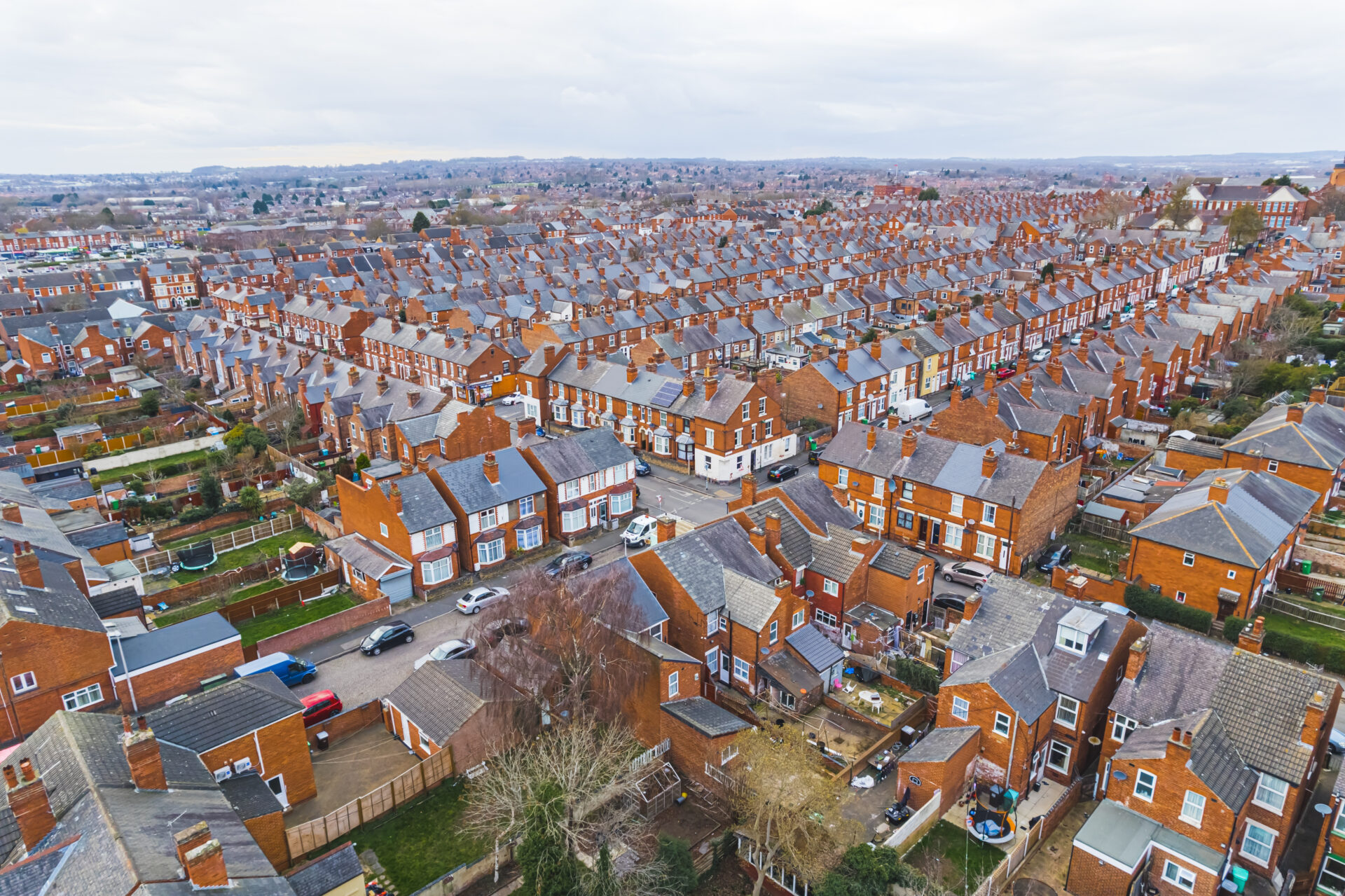
More affordable areas saw the biggest rise in house prices in 2025, according to new analysis from Rightmove.
The research looked at millions of data points related to prices, demand and supply.
Out of the top 50 locations where asking prices grew the most, 43 were priced below the national average of £368,031.
The average asking price in these areas was £270,711 – about 26% or nearly £100,000 less than the national average.
Hawick in Roxburghshire had the largest increase, with average asking prices up 18% to £148,633.
Durham saw prices rise by 15% to £251,339.
Stannington in Sheffield followed, with a 12% increase, bringing the average asking price to £264,078.
At the end of 2025, national average asking prices were 0.6% lower than at the end of 2024.
Lower-priced regions dominated the list, with Scotland appearing most often, followed by the North West and Yorkshire & The Humber.
London, where the average asking price is £679,782, did not feature in the top 50 for price growth.
Suburbs with good access to city centres were popular.
The top 10 included areas outside Sheffield, Liverpool, Newcastle, Hull and Glasgow, as well as Durham.
Many buyers balanced affordability with commuting distance as employers asked staff to work from the office more often.
Locations near universities and major NHS trusts also saw fast price rises.
Colleen Babcock, property expert at Rightmove, said: “There is typically a larger pool of buyers who are looking to move within more affordable price brackets.
“Therefore, locations with more homes that fall under the average asking price can see more demand from buyers, and that underpins house price growth in those areas.”
Dan Mirfin, branch manager at Manning Stainton Beeston, said: “From our perspective on the ground, areas such as Beeston are seeing strong price growth because they sit at the intersection of affordability, connectivity and long-term demand.
“Beeston remains comparatively good value for money for first-time buyers, particularly when compared to more established suburbs closer to the city centre, while still offering excellent transport links into Leeds.
“We’re also seeing continued interest from investors, with Beeston delivering some of the strongest rental yields in the city.”
Mirfin added: “Proximity to major employers, universities and the city centre means rental demand remains high, which in turn supports both pricing and competition for well-presented homes.
“More broadly, buyers are increasingly looking just outside the city centre for areas that offer better space and value without sacrificing convenience.
“Locations like Beeston tick those boxes, which is why they’re featuring so prominently among the areas seeing the fastest growth in asking prices.”
John Baybut, managing director at Berkeley Shaw Real Estate in Liverpool, said: “Liverpool Football Club have been the anchor for significant regeneration in Anfield as they have committed to the area.
“For investors, lots of short-term lets are seeing high yields.
“The infrastructure around Anfield will continue to improve as the local authority know LFC will be there for the long term.”
Lesley Robinson, branch manager at Manning Stainton Crossgates, said: “Seacroft has seen notable growth in asking prices over the past year, reflecting a wider trend we’re observing across more affordably priced areas in Leeds.
“Buyers are increasingly drawn to locations that offer strong transport links and easy access to the city centre, and Seacroft fits that profile.
“The area combines good local amenities with more competitive pricing, making it an attractive option for first-time buyers and young families looking to get on the property ladder without compromising on convenience.”
Robinson added: “LS9 benefits from being so close to Leeds city centre and St. James’s Hospital, while LS14 offers excellent access to shopping facilities like The Springs.
“We’re seeing strong demand from first-time buyers who might love to live in York but find LS14 a more affordable and convenient option.
“Stock is extremely limited, particularly in the first-time buyer market, and properties like back-to-backs are often attracting multiple viewings and bids.”
She said: “LS9 is a culturally vibrant area, appealing to a wide range of buyers, and landlords are still actively investing there too.
“With more people working from home, buyers from outside Leeds are also drawn to the city’s exciting centre, meaning location is increasingly flexible but access and lifestyle remain key.”
Mary-Lou Press, president of NAEA Propertymark, said: “This analysis reflects what Propertymark agents have been reporting on the ground throughout 2025.
“Buyer demand continues to be strongest in areas where homes remain comparatively affordable, particularly in locations that offer good transport links, access to employment, and proximity to key services such as schools, universities, and hospitals.
“While national average asking prices have softened slightly, the growth seen in lower-priced markets highlights how stretched affordability remains for many buyers.”
Press added: “As a result, purchasers are adjusting their expectations on location and prioritising value for money, which is driving increased competition and price growth in these areas.
“However, limited housing supply remains a critical factor underpinning these trends.
“In many of the areas experiencing the fastest growth, agents report low stock levels, particularly for homes suitable for first-time buyers, which continues to place upward pressure on prices.”
She said: “To support a more balanced and sustainable housing market, it is vital that governments across the UK focus on increasing the supply of well-located, genuinely affordable homes, while also ensuring buyers have access to clear information, appropriate financial support, and a stable lending environment.
“Without addressing these structural issues, affordability challenges will persist, even in traditionally lower-priced parts of the country.”
Related

House price growth slows to 0.5% in October – Nationwide
Savills forecasts house prices to drop by 1.5% in 2027
First-time buyer enquiries down 27% year-on-year – Zoopla
First-time buyer mortgage repayments up 41% over a decade, Yopa finds
London buyers need £100,000 in income to afford average home, e.surv finds

London records highest salary requirement for solo homebuyers, data reveals

Shildon and Ferryhill among Britain’s most affordable towns, Zoopla finds
Southwold tops seaside holiday home price growth rankings – Alto

House prices in Wales forecast to rise 21% by 2031 – Savills

67% of young adults say Your First Home scheme could help them buy – Together

62% of FTBs unaware of new build incentives, Foxtons finds