
The Interview… Katie Rogers, CFO at Greencore Homes
Katie Rogers, CFO at Greencore Homes, discusses the challenges SME housebuilders face and her hopes for the future of sustainable housing.


The Intermediary speaks with Katie Rogers, CFO at Greencore Homes, about how the company is financing and delivering climate-positive homes, the challenges small and medium-sized enterprise (SME) housebuilders face in the current market, and her hopes for the future of sustainable housing.
How do you see your role contributing to the transformation of the housebuilding industry towards more sustainable practices?
My role at Greencore as CFO is to look after everything financial, particularly making sure we have the funding to develop our homes. At Greencore, we build Better than Net Zero homes – the way we construct them locks up more carbon than we use, and the energy in use and carbon emissions are very low. My job is to fund that development, ideally through green funding packages that reward us with lower fees or interest costs.
That saving can then enable us make the homes more affordable. I also keep a close eye on what our additional sustainable features cost, because there’s always a balance between sustainability, customer appeal, and affordability. People can only afford so much, so we need to make sure our specification doesn’t push the homes out of financial reach for our target market. I am also working with Homes England on funding support for SME housebuilders like us, so that we, and others, can increase production.
What financial strategies have you implemented to boost the production of climate-positive homes?
Green funding packages from several institutions are designed to encourage housebuilders to deliver more sustainable homes and to think carefully about energy strategies, water usage, and overall environmental impact. Because Greencore is already well advanced on that journey, we can access those loans without making major changes to what we do and start straightaway with the type of homes those funders want to support. Lenders such as Downing and Octopus offer these products, and there’s a real benefit for us in that we’re already doing what they’re trying to encourage the wider industry to adopt.
Do you use customer feedback to enhance your approach and improve what you deliver?
We’re still at relatively early stages in our growth phase. The business was founded around 13 years ago, but for the first decade, it was a small, family-run operation. We don’t yet have a big bank of recent customer feedback from this new phase, but we do have 10 years of experience building and monitoring homes.
We track energy usage and behaviour with sensors in the walls of existing buildings to help us refine layouts, product specification and technology. Our founder, Ian Pritchett, who devised our closed timber panel system made from natural materials, now leads innovation and keeps us ahead of new technologies, often before customers are even fully aware of them. Our job is to combine that innovation with what we learn from how people actually live in and use our homes.
How do you balance the additional costs of sustainable construction with the need to keep homes affordable for buyers?
We’re often asked whether our homes cost more to build than traditional ones. Compared to the big volume housebuilders, yes, they do, because we don’t have their economies of scale. But on a like‑for‑like basis with an SME housebuilder, our build costs are very similar, even though the cost makeup is different – for example, we don’t have brick costs, and our foundations and wall systems differ.
We’ve deliberately focused on making the structure of the home very sustainable and future-proof, and we’re already incorporating the technologies that will be required under the forthcoming Future Homes Standards anyway.
You can go further on internal fixtures and fittings with fully sustainable kitchens, paints and so on, but that quickly pushes up costs for only marginal additional benefit to the customer, given the home is already far better than a traditional one. If we want to appeal to the mass market, we can’t push people out of their affordability bands, so we’ve drawn the line before that extra layer of internal specification.
Beyond technology, are there particular innovations or approaches you’re adopting?
We’re working with Octopus Energy’s Zero Bills to partner with them on our developments. That’s a collaboration to put the right technology into homes so they can be run extremely efficiently and minimise energy in use.
Other housebuilders often have to adapt their product to qualify, but because of how we already build, we haven’t had to make any changes. The result is that customers can be guaranteed zero energy bills for 10 years, with the option to review after that. Importantly, we don’t just look at the home in isolation.
Greencore is focused on the whole development – not overdeveloping sites, but thinking about the feel of the development: more open fencing, natural landscaping and better outdoor environments. We’ve also monitored and demonstrated better indoor air quality in our homes, because air flow is regulated through our wall construction, which can particularly help people with conditions such as hayfever and asthma.
What do you see as the most concerning financial hurdle for Greencore and SME housebuilders over the next few years?
The biggest challenge for us, and for any SME housebuilder, is planning. Everyone expects the planning process to take time, but the real issue is the financial impact of delays. We typically use debt on our sites, so every month of delay adds cost and ties up capital that could have funded the next scheme. Larger housebuilders can often shift focus to another site; SMEs with a limited pipeline can’t do that as easily.
Even once you have planning consent, you’re still heavily reliant on the local authority to sign off planning conditions such as infrastructure and transport ahead of occupancy, and that’s often slower and more costly than it should be. Debt availability itself is not the main problem – because of what we build, who we are and the backing from M&G, we can source funding.
The key is partnering with funders who understand the inevitable delays and challenges. But if I could change one thing, it would be simplifying and appropriately resourcing the planning system, which currently hurts SMEs disproportionately.
In the short term, what could the Government do to streamline the planning process?
In the short term, they need to recruit more planning officers, however that will take time to have a significant impact. Alongside that, they should reduce the number of conditions that require sign off from the local authorities post obtaining a planning consent. A mechanism where, if you remain in line with your approved plans and the authority hasn’t responded within its own timescales, you can proceed – this would make a huge difference and keep schemes moving.
At the moment, we’ve waited 12 weeks just for a pre‑application meeting, well beyond the supposed response times, and that makes it very difficult to collaborate. Reducing the number of boxes to tick after consent and allowing planners to focus on granting permissions, while we focus on building, would ease a major blockage in the system.
What are your hopes for Greencore Homes in 2026?
We currently have two sites under construction, both due to start completing properties during 2026. My hope is that those are fully sold out, with customers moved in, happy, and really understanding the benefits of their homes. We also have three more sites progressing through planning, and I’d like to see those progress swiftly so that by the end of the year, we’re on site with another 200 homes.
The last couple of years since M&G’s investment have been about buying land, building the team, setting up the factory and starting on site. In 2026 it’s about proving concept – what we’re all about, demonstrating the difference in what we do, and gathering far more customer feedback on our homes in use – it’s very much a proving‑ourselves phase.
I’d encourage people to think about how future‑proof their next home really is, and to look beyond the headline price.
Consider the long‑term benefits: the quality of construction, energy performance, and whether the home is already aligned with the upcoming Future Homes Standards, so you won’t need to invest again just to bring it up to scratch. It’s about quality and future‑proofing as much as cost.
If buyers take that broader view, it naturally leads them towards homes like those we build at Greencore, and we’d be delighted for them to come and see what we’re doing.
Related
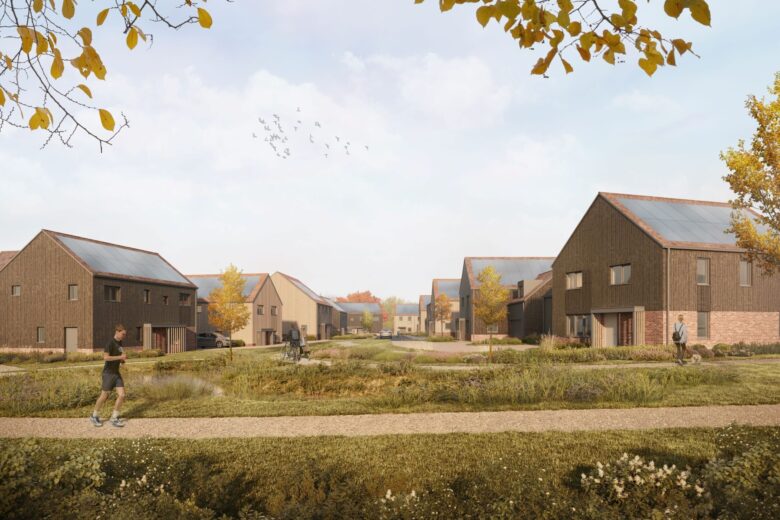
Greencore Homes submits plans for 91 homes in Puckeridge

The Interview… Matt Staton, head of residential at Real Estate Management (UK)

Greencore Homes and Octopus Energy partner to deliver Zero Bills homes in Oxfordshire

Greencore Homes to build 91 low-carbon homes in Puckeridge
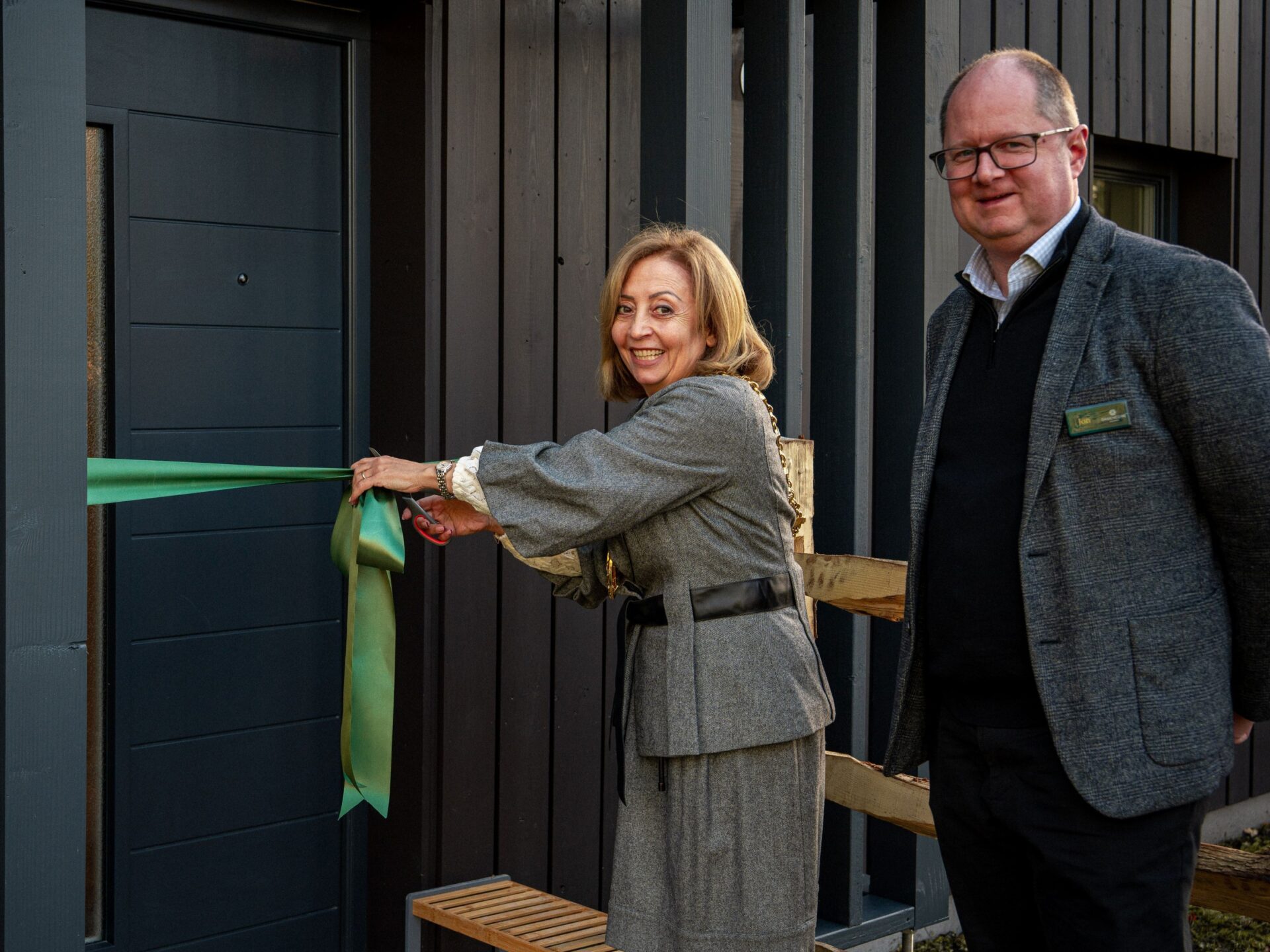
Greencore Homes launches first show home at The Canopies in Oxfordshire

The Interview… Tim Parkes and Ben Nichols, RAW Capital Partners
The Interview… Alex Read, CEO at Portman Finance Group

The Interview… Sakeeb Zaman, CEO and founder of StrideUp

The Interview… Nigel Banks, director of Zero Bills at Octopus Energy

The Interview… Sam Humphreys, head of M&A at Dwelly

The Interview… Matthew Robertson, co-founder and CFO of Valouran
