
Share of flipped homes falls to decade low, Hamptons finds
In 2025, flipped properties accounted for 1.5% of all housing transactions in England and Wales, down from 2.4% in 2016.


The proportion of homes bought and resold within 12 months has fallen to its lowest level in a decade, as higher Stamp Duty costs continue to impact returns, according to analysis from Hamptons.
In 2025, flipped properties accounted for 1.5% of all housing transactions in England and Wales, down from 2.4% in 2016.
The total number of flips has also halved over the period, falling from 21,520 to 10,570.
The decline follows the introduction of the second home Stamp Duty surcharge in 2016, which has since increased to 5%, reducing profitability for investors.
Average post-Stamp Duty profits have fallen from £36,500 in 2015 to £16,390 in 2025, a decline of more than 55%.
Stamp Duty now accounts for 43% of gross profit, equivalent to around £12,400 per transaction.
While 73.3% of flipped properties generated a gross profit in 2025, this falls to 58.7% once Stamp Duty costs are included, compared to 85.9% in 2006.
Flipping activity has become more concentrated in lower-value regional markets, particularly in the North East, where lower property prices reduce Stamp Duty liabilities and support returns.
The region recorded the highest share of flips at 3% of all transactions, with Hartlepool the most active local authority.
By contrast, profitability has declined most sharply in southern regions, with the South West seeing an 80% fall in average post-stamp duty profits since 2015.
Data also showed that lower-priced properties were more likely to deliver returns, with 86% of homes purchased for under £100,000 generating a profit, compared with 28% of those bought for more than £350,000.
Aneisha Beveridge, head of research at Hamptons, said: “Flipping is no longer the profitable venture it once was. There was a time when rundown properties could be bought cheaply, refurbished, and resold at a healthy margin.
“Today, however, second home stamp duty absorbs nearly half of all gross profits, significantly eroding returns.
“The surcharge was not primarily intended to penalise ‘house flipping’; its primary aim was to support first-time buyers.
“While it has largely succeeded in that goal, it has left flipping unviable across much of the South of England.
“These projects deliver much-needed move-in-ready homes, sparing buyers the financial risks and expertise to undertake major works themselves.”
She added: “But stamp duty is only part of the challenge. Falling house prices across many Southern markets have squeezed returns further, while the cost of materials and labour have risen sharply since the pandemic.
“Even before factoring in stamp duty, refurbishment budgets now stretch much further than they once did, pushing profit margins to their thinnest levels in over a decade.
“Unless a flip is supported by strong underlying house price growth, turning a profit is becoming increasingly difficult.
“That said, investing in relatively cheaper property in an area where house price growth is strong can still yield solid returns.”
Related

Mortgage arrears fall for 10th consecutive quarter – UK Finance

Low deposit mortgage choice rises as first-time buyers borrow more – Moneyfacts

Half of Brits have lied about their finances, study finds

Scottish mortgage payments rise to £1,200 a month as higher rates put pressure on housing market
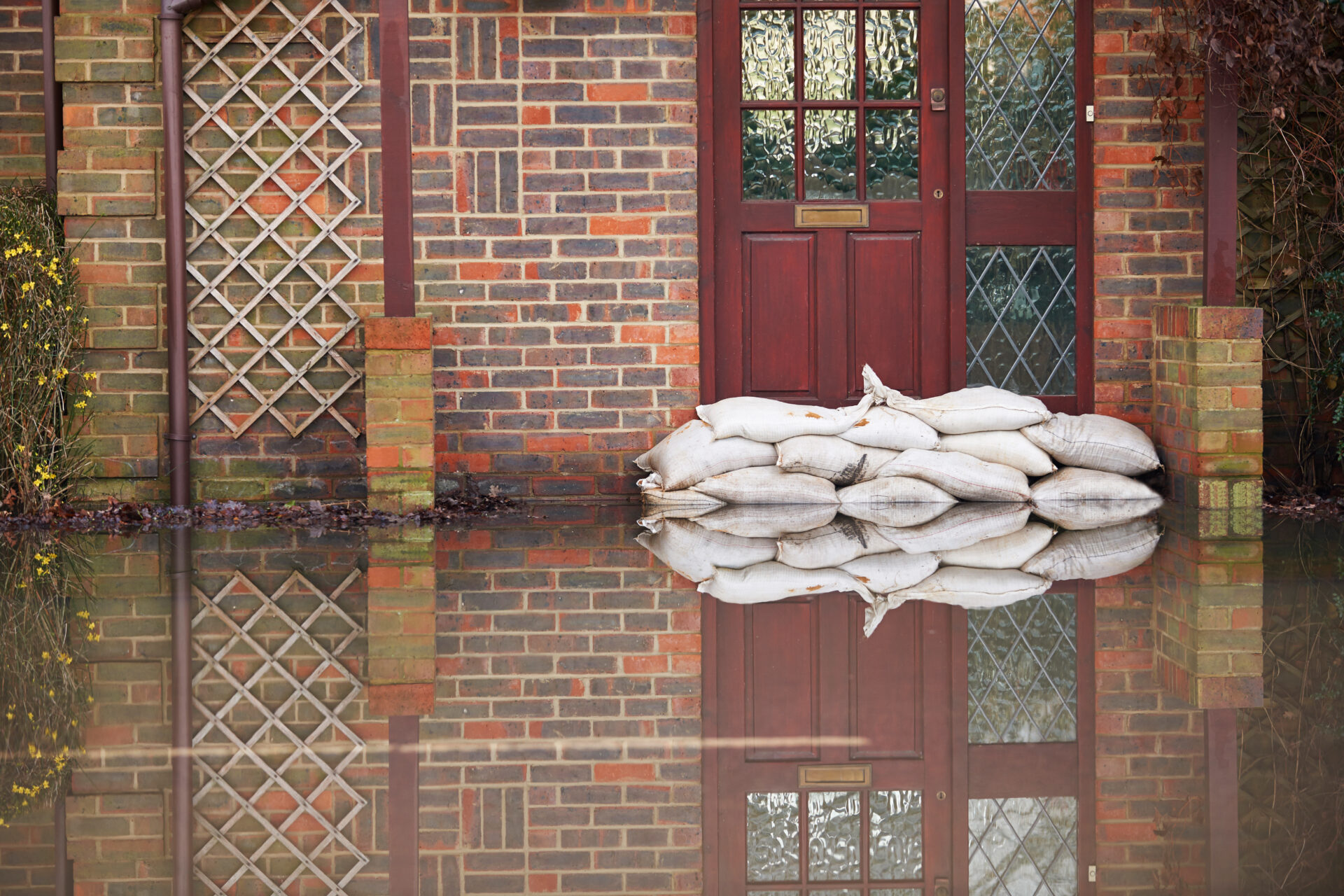
77% of homebuyers would refuse to buy a property in a flood risk area, study finds

Number of vacant homes in England reaches 15-year high, study finds

Parents increasingly prioritise property deposits over education costs, study finds

Shildon and Ferryhill among Britain’s most affordable towns, Zoopla finds

Coventry for intermediaries cuts rates across residential and BTL

Norton Broker Services selected to take part in Quantum Mortgages’ residential pilot

NatWest cuts rates on 196 mortgage products
