
Over half of UK adults risk fines or prison for illegal Japanese knotweed disposal, data finds
Nearly six in 10 people did not realise the plant needs specialist licensed disposal, risking fines of up to £5,000 or two years in prison under the Environmental Protection Act 1990.

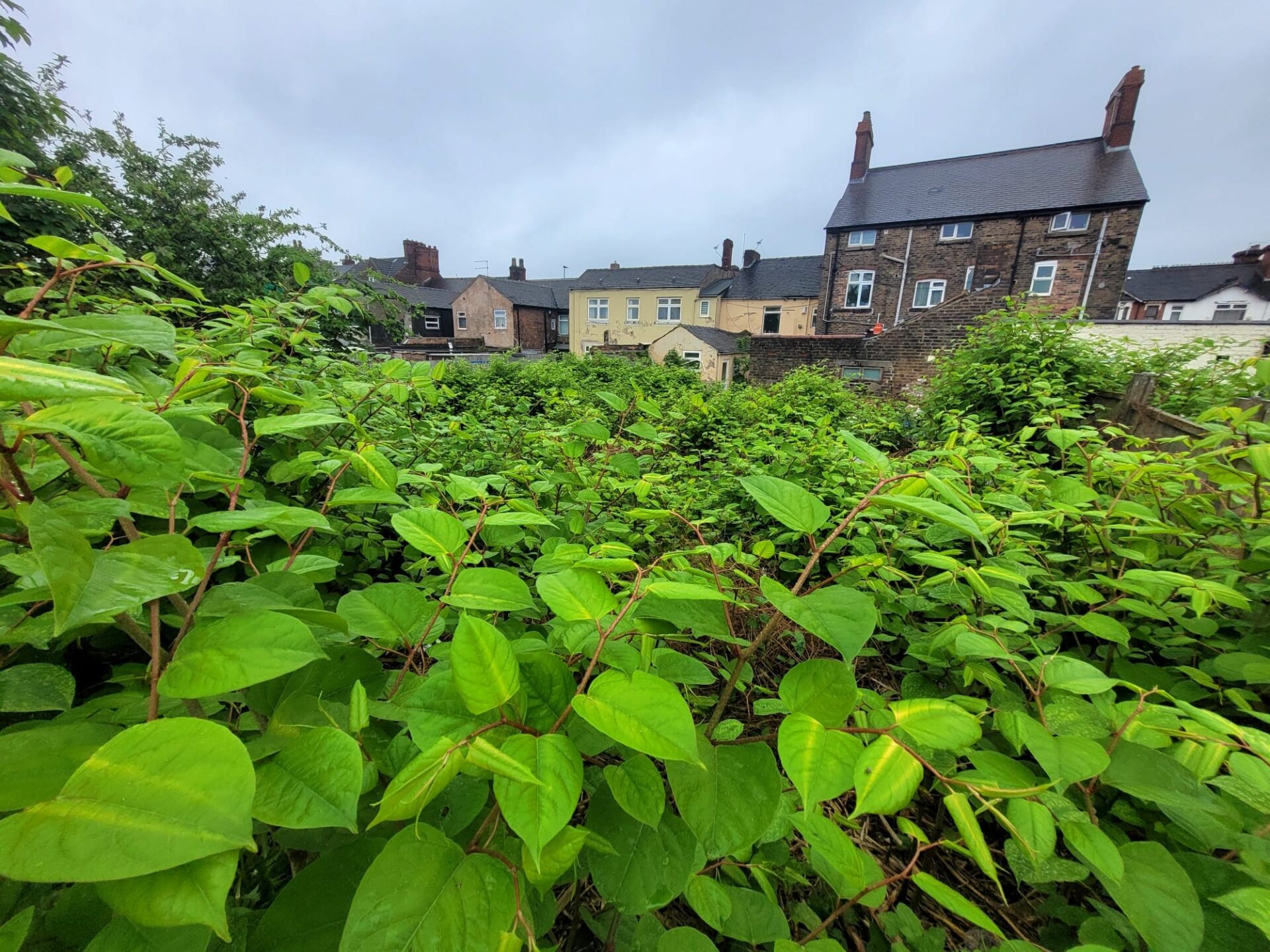
More than half of UK adults could be breaking the law due to not knowing how to identify or properly dispose of Japanese knotweed, according to new research from Go.Compare Home Insurance.
Nearly six in 10 people did not realise the plant needs specialist licensed disposal, risking fines of up to £5,000 or two years in prison under the Environmental Protection Act 1990.
Almost three in 10 admitted they would unknowingly dispose of the weed illegally, including burning it, placing it in garden waste bins, taking it to local tips, or putting it in general household waste.
Among 18 to 24-year-olds, 28% said they would try to dispose of knotweed through household waste or at local tips, compared to 13% of those aged 55 and over.
Over six in 10 UK adults said they do not know what Japanese knotweed looks like, while only 19% said they could identify it.
Three in 10 said Japanese knotweed would affect their decision to buy a property if it was present on or near the home.
More than one in 10 admitted they would knowingly provide false information about Japanese knotweed on a TA6 property form to speed up a sale, risking legal action and leaving buyers exposed to costly treatments.
The West Midlands had the highest proportion of respondents willing to conceal an infestation at nearly 18%, while 19% of Brighton residents admitted they would be untruthful on a TA6 form.
Nathan Blackler, home insurance spokesperson at Go.Compare, said: “It’s surprising that so many people in the UK are unaware of the laws surrounding Japanese knotweed, especially given the potential fines and even prison sentences involved.
“Around 5% of UK properties – approximately 1.28 million homes in England million homes – are believed to be affected, leaving homeowners exposed to potential property devaluation and legal disputes if it spreads onto neighbouring land.
“Whether it’s through accidental mismanagement or a deliberate failure to disclose an infestation during a sale, homeowners are exposing themselves to massive legal and financial risks.”
Blackler added: “In a housing market where honesty is essential, hiding the presence of this plant can lead to collapsed sales, devalued homes, and costly litigation.
“Overall, the findings point to a clear knowledge gap around Japanese knotweed in the UK, particularly in relation to identification, disposal and the legal responsibilities linked to property ownership.”
Jennifer Holmes from Japanese Knotweed Ltd said: “Japanese knotweed is unlike any other garden weed; as an Invasive Non-Native Species it’s fast-spreading, a threat to our native ecosystems and extremely persistent if not treated or removed by a professional.
“Because the plant can regrow from a fragment as small as a fingernail, DIY removal or improper disposal isn’t just ineffective, it’s actually one of the main ways the plant spreads into our wider environment and onto neighbouring land.
“The plant itself poses a serious risk to homes and infrastructure.”
Holmes added: “This stems from the fact that Japanese knotweed can grow up to 20cm per day during peak growing season (typically March – August), reaching up to 3 metres in height and its root systems can spread up to seven metres wide and three metres deep.
“Knotweed can cause damage to building foundations and structures, hard surfaces and underground pipes as it exploits any weak spots or cracks to grow through.
“Taking a quick fix approach, such as putting it in a garden waste bin or taking it to a local tip, is illegal.”
She said: “Without specialist, licensed disposal, you risk contaminating the entire waste stream.
“For homeowners, the only way to truly protect your property’s value and remain on the right side of the law is to ensure the plant is managed by professionals who can provide a comprehensive treatment plan and an insurance-backed guarantee.”
Go.Compare advised homeowners to get a professional survey when viewing a property, learn how to identify knotweed, avoid DIY disposal, provide accurate information during property transactions, and check their home insurance cover for damage or costs related to Japanese knotweed.
Related
Bristol records highest density of Japanese knotweed in England – Environet

54% of historical Japanese knotweed locations recorded near built-up areas, analysis finds
Cornwall records highest number of invasive weed complaints in Britain, analysis finds
50% of buyers would walk away from a property with Japanese Knotweed, analysis finds
Japanese knotweed wipes £21.4bn off UK property values, finds Environet

Environet marks 30 years in business, solving over 8,500 invasive plant cases

safeagent calls for stronger enforcement of lettings law
Missing a Japanese knotweed survey could lead to costly problems for buyers, say experts
Japanese knotweed could slash up to 15% off property value, experts warn
Environet responds to new RICS Guidance on Japanese Knotweed

Home insurance premiums rise by 8.5% amid higher rebuilding costs, data reveals
