
Prime London buyer demand falls 1.3% in Q3, data finds
Demand for homes priced between £2m and £10m stood at 13.2% in Q3.

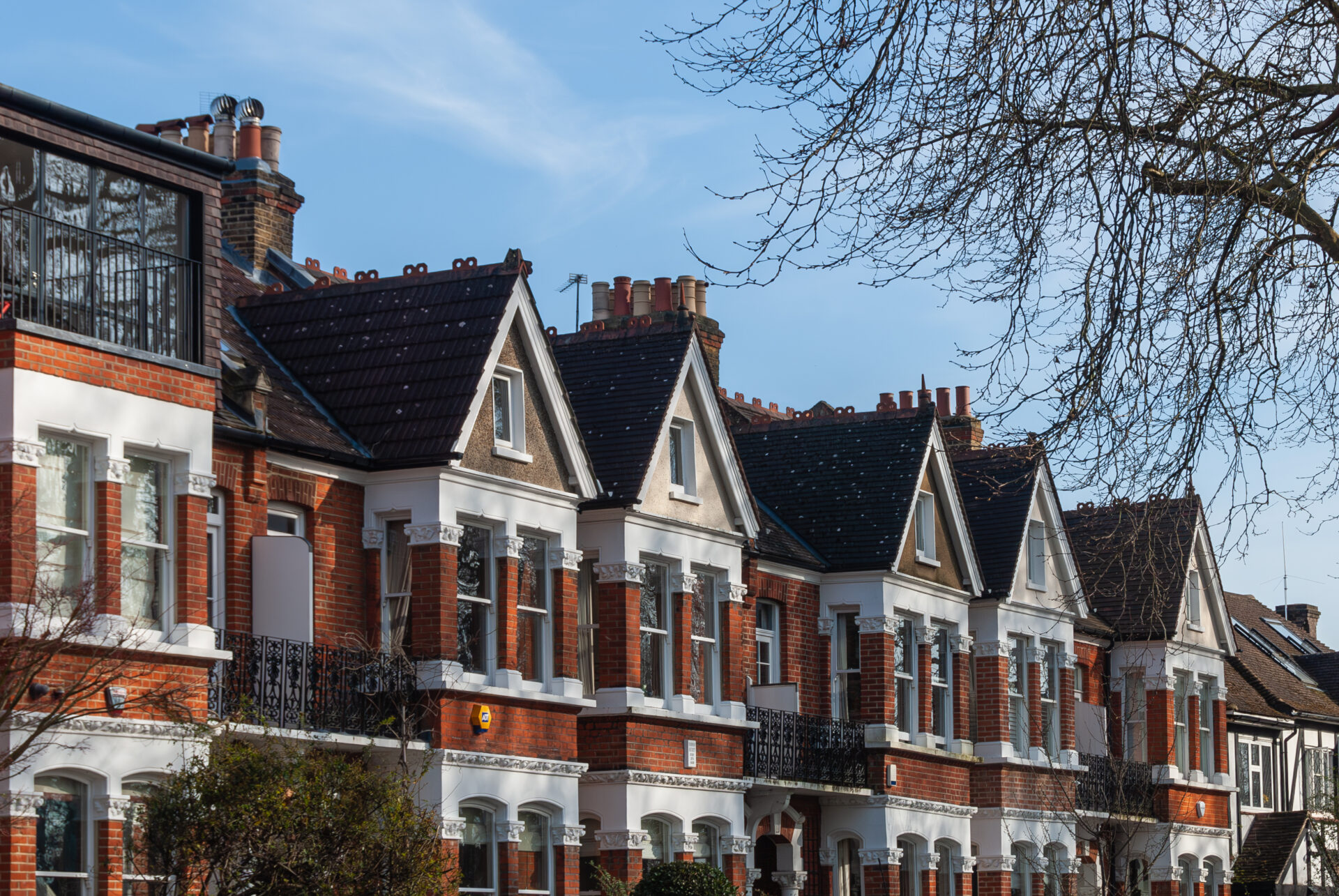
Buyer demand across London’s prime property market fell by 1.3% in the third quarter of 2026, according to the latest Prime London Demand Index from Benham and Reeves.
The index, which measures the proportion of listed properties sold subject to contract, found demand for homes priced between £2m and £10m stood at 13.2% in Q3.
Despite the overall decline, several central London markets recorded an increase in demand.
Fitzrovia saw the largest quarterly rise, up 5.4%, followed by Islington at 4.8% and Canary Wharf at 4.5%.
Maida Vale recorded a 4% increase, while demand also rose in Hampstead, Mayfair, Pimlico, Marylebone and Knightsbridge.
In terms of overall demand, Clapham ranked highest, with 42.7% of properties priced between £2m and £10m securing a buyer, followed by Wandsworth at 41.5% and Islington at 37.2%.
Meanwhile, demand across the super-prime market, covering properties priced at £10m and above, increased by 0.7% during the quarter to 4.3%.
Mayfair recorded the strongest quarterly increase in super-prime demand at 5.1%, followed by Notting Hill at 4.3% and Victoria at 3.1%.
Marc von Grundherr, director at Benham and Reeves, said: “Prime London demand has cooled slightly following the stronger performance seen during the first half of the year, but there remain some very clear pockets of strength across the capital’s most desirable neighbourhoods.
“What’s particularly interesting this quarter is the shift in momentum towards a number of central London markets, while many of the family-focused locations that drove Q2 continue to boast some of the strongest overall levels of buyer demand.
“Prime London remains a highly fragmented market and the picture today is one of buyers becoming increasingly selective, rather than any widespread withdrawal in demand.”
Related

Dip in mortgage activity persists in Q3, Stonebridge finds
House prices remain flat in September amid higher mortgage rates – Lloyds HPI
Remortgage searches surge 40% as borrowers return to market in September – Twenty7tec

Sub-5% fixed mortgage deals plummet as 5-year average hits 6% – Moneyfacts

Lower London housing target could cost £41bn in economic output, Pegasus Group warns

Yorkshire Building Society reduces mortgage rates by up to 0.50%

Your First Home scheme could reduce reliance on family deposits, brokers say

45,000 LISA savers hit with multiple withdrawal penalties in 2024/25, FOI reveals

47% of aspiring homeowners do not expect to ever buy a property – Leeds Building Society

Eight in 10 property professionals confident homebuying reforms will deliver positive change – CSS

Skipton Building Society expands high LTI lending criteria to support more homebuyers
