
UK inflation rises to 3.1% ahead of Bank of England rate decision
UK inflation rose to 3.1% in August, up from 2.9% in July, as higher motor fuel prices provided the largest upward contribution. The figures come ahead of the Bank of England’s interest rate decision on Thursday.


UK inflation rose to 3.1% in the year to August, up from 2.9% in July, according to the latest figures from the Office for National Statistics.
Consumer prices increased by 0.5% during August, compared with a 0.3% monthly increase in August last year. The latest rise takes inflation further above the Bank of England’s 2% target.
Transport provided the largest upward contribution to the increase, driven particularly by motor fuels. Transport prices rose by 4.6% over the year to August, compared with annual growth of 3.6% in July.
Petrol prices increased by 9.1p per litre between July and August to an average of 161.3p per litre, their highest level since November 2022. Diesel rose by 14.2p per litre to 181.8p. Overall motor fuel prices were 23% higher than a year earlier.
Air fares also contributed to the increase, rising by 6.2% between July and August compared with a 2.1% increase during the same period last year. The upward effect was driven by long-haul routes.
Housing and household services inflation also increased, from 4.1% in July to 4.3% in August, while electricity, gas and other fuels were 6% more expensive than a year earlier. Food and non-alcoholic beverage inflation remained unchanged at 1.3%.
Core CPI, which excludes energy, food, alcohol and tobacco, remained unchanged at 2.6%, while services inflation was also unchanged at 3.4%. Goods inflation increased from 2.2% to 2.7%.
The figures come ahead of the Bank of England’s interest rate decision on Thursday. Bank Rate currently stands at 3.75%, with policymakers weighing the renewed increase in headline inflation against wider economic conditions.
Reaction
Mark Harris, chief executive of mortgage broker SPF Private Clients:
“With the consumer prices index rising above 3% in August, well ahead of the Bank’s 2% target, the chance of an interest rate rise – and more – looks increasingly likely. However, the Bank might pause a little longer until the November meeting, resulting in higher borrowing costs soon after Chancellor Healey’s first Budget.
“Higher inflation figures are not surprising given the ongoing Middle Eastern conflict and its impact on oil and energy prices. Swap rates, which underpin the pricing of fixed-rate mortgages, have been volatile in recent weeks, resulting in several of the biggest lenders, including HSBC, Nationwide, Santander and Halifax raising their mortgage rates. Other lenders are expected to follow suit to avoid being swamped with enquiries as borrowers search for the cheapest rates.
“There are growing fears that the Bank of England will have to raise interest rates several times to keep a lid on inflation, pushing up Swap rates and in turn, mortgage pricing.
“Borrowers can protect themselves as much as possible by planning ahead. Speak to a whole-of-market broker and don’t delay – lock into a new product now. If rates fall by the time you come to take out the mortgage, you should be able to switch to a cheaper deal at that time but if rates rise, you will be pleased you acted when you did.”
Nathan Emerson, CEO of Propertymark:
“The year to date has been a considerable rollercoaster for many households, with rising costs putting increasing pressure on household finances. Consumers have rightly shown caution around longer-term, high-value borrowing, with the impact being felt across the housing market.
“With inflation tracking upwards, tomorrow’s base rate decision will be closely watched and could have a direct impact on the housing market as we head towards the Autumn Budget.
“The housing market remains finely balanced, with key factors such as higher food and energy costs continuing to weigh on consumer confidence and ongoing affordability.”
Kevin Mountford, personal finance expert and co-founder of Raisin UK:
“Today’s rise in inflation to 3.1% will be unwelcome news for households already feeling the squeeze. Half (50%) of UK adults say their finances are under pressure, while 53% have less money to spend freely than they did a year ago.
“With prices still rising and the Autumn Budget just weeks away, households are facing more financial uncertainty at a time when pockets are already stretched. The rise also makes a hold at the Bank of England’s next meeting more likely, as the MPC will want to see inflation moving back towards its 2% target before considering further cuts.
“With inflation now higher, savers cannot afford to be passive. Checking the rate you are earning, knowing when a fixed-rate deal matures and keeping an easy-access buffer for unexpected costs can all help. Before moving money, it is also worth comparing accounts like-for-like, including the rate, access and any restrictions, to understand whether a switch genuinely offers better value.”
Rob Clifford, chief executive of Stonebridge mortgage and protection network:
“Major lenders have hiked rates twice this month already and the inflation reading simply confirms what they already knew.
“Nothing can be taken for granted and September has been a good illustration of that. Advisers need to move fast no matter what the Bank of England does. A rate hold won’t affect medium-term inflation fears and it’s these which are driving borrowing costs up. There’s no guarantee lenders won’t be forced to act again soon.
“Locking rates in early became the order of the day after the US attacked Iran in February and the consequences of not doing so now could be challenging for some. This is especially true for those rolling off five-year fixes because, back in mid-2021, they were still priced well under 3%.
“These remortgagers face a steep jump in repayments so it’s up to advisers to protect them against interest rate fluctuations as much as they can. Reserving rates with an early application is risk-free insurance against further hikes in borrowing costs. Yet it still amazes us how many borrowers resist doing this because they’re convinced rates will come back down. This is where qualified advice is worth its weight in gold and it’s an opportunity for advisers to show clients how they make their experience count.”
Richard Pike, sales and marketing director at Phoebus Software, to August’s inflation figures:
“Today’s inflation figures are a reminder that the UK’s battle with rising prices is not over, with CPI increasing to 3.1%, from 2.9%. The bigger headache for the MPC tomorrow, though, isn’t the August figure but what comes next. With Brent crude now well above $100 a barrel and tensions in the Middle East intensifying, there could be significant pressure on energy and fuel costs over the coming months. With winter approaching, that could put another squeeze on household budgets, adding to affordability pressures at a time when many borrowers are already facing higher mortgage costs.
With inflation moving further above the Bank of England’s 2% target, the prospect of interest rates staying higher for longer will remain a concern for borrowers.
For the mortgage market, that pressure will be particularly relevant for those coming to the end of fixed-rate deals. As borrowers refinance in a higher-cost environment, lenders will need to be prepared for increasingly varied customer circumstances and affordability pressures.
“The key challenge now is maintaining flexibility. Lenders need to be able to respond quickly as inflation, interest rates and borrower behaviour shift, rather than relying on a one-size-fits-all approach.”
Ben Thompson, director of home moving strategy, Mortgage Advice Bureau:
“Today’s rise to 3.1% is the second consecutive increase following July’s, and that’s worth noting. One rise can be a blip, but two in a row starts to look like a trend. With the MPC meeting tomorrow, this is about as poorly timed a reading as it could be for anyone hoping for a rate cut, but is unlikely to force an increase at this stage.
“Two rises in a row makes a hold more likely tomorrow, with a hike unlikely but not impossible. Lenders will already have been adjusting their pricing in anticipation, not waiting for the announcement itself. If you’re a first time buyer with an offer on the table, that’s a real reason to lock it in now rather than assume it’ll still be there next week.”
Emma Hollingworth, chief distribution officer at LSL Financial Services:
“While the Bank of England has held its nerve on interest rates since the US-Iran conflict flared up again, today’s inflation data has significantly raised the odds that it will hike borrowing costs this year.
“The European Central Bank increased rates last week, albeit from a lower base, and markets expect the US Federal Reserve to follow suit later today. That piles the pressure on the Bank’s Monetary Policy Committee (MPC) to act sooner rather than later.
“We still think a hold is the most likely outcome on Thursday, but the decision will be close and the MPC could easily vote to raise rates if it feels the need to head off further price pressures.
“Whatever the outcome, borrowers are already feeling the squeeze. Fears of renewed inflation mean markets are pricing in as many as four rate rises over the next year, which has sent swap rates soaring. That has triggered a wave of repricing as lenders have raced to protect their margins.
“The outlook for borrowers remains highly uncertain and it’s in moments like these that advisers prove their worth. Brokers should reach out now to clients nearing the end of their deal to help them navigate what are once again increasingly choppy waters.”
Mike Randall, CEO of Simply Asset Finance:
“As the days get shorter and autumn approaches, a fresh uptick in inflation risks casting a longer shadow over SME confidence. While businesses remain optimistic, we need to avoid rising costs, softer demand and continued uncertainty chipping away at ambition and putting the brakes on growth.
“Tackling this will need decisive action from the new Government. This means proving that it can deliver tangible support that helps businesses invest with confidence, rather than more promises that fail to shift conditions on the ground.”
Related

Interest rate outlook unchanged despite inflation rise, says LSL
UK inflation rises to 3.3% in March

Inflation rises to 2.9% in July – ONS

UK inflation falls more sharply than expected in April

Inflation falls to 2.6% in June – ONS

UK economy slips into contraction as GDP falls 0.1% in April

Inflation holds steady at 3.0% in February – ONS
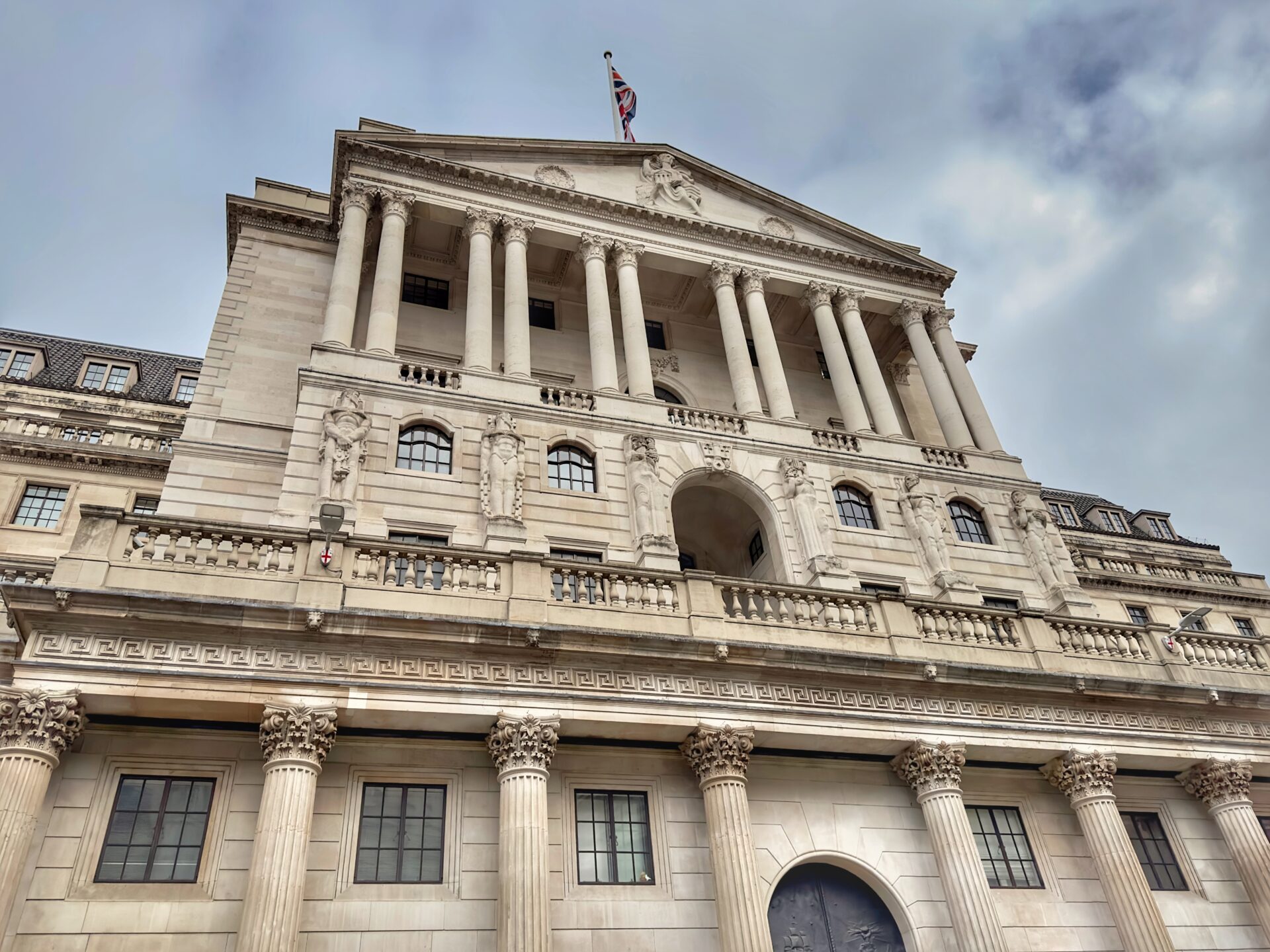
Bank of England holds Base Rate at 3.75%

Bank of England holds Base Rate at 3.75%

Inflation falls to 3% in January as fuel and food prices ease

NACFB Expo: HSBC predicts two base rate rises before end of 2026
