
Mortgage credit availability falls in Q3 – BoE
Banks and building societies expect availability to increase slightly during Q4.

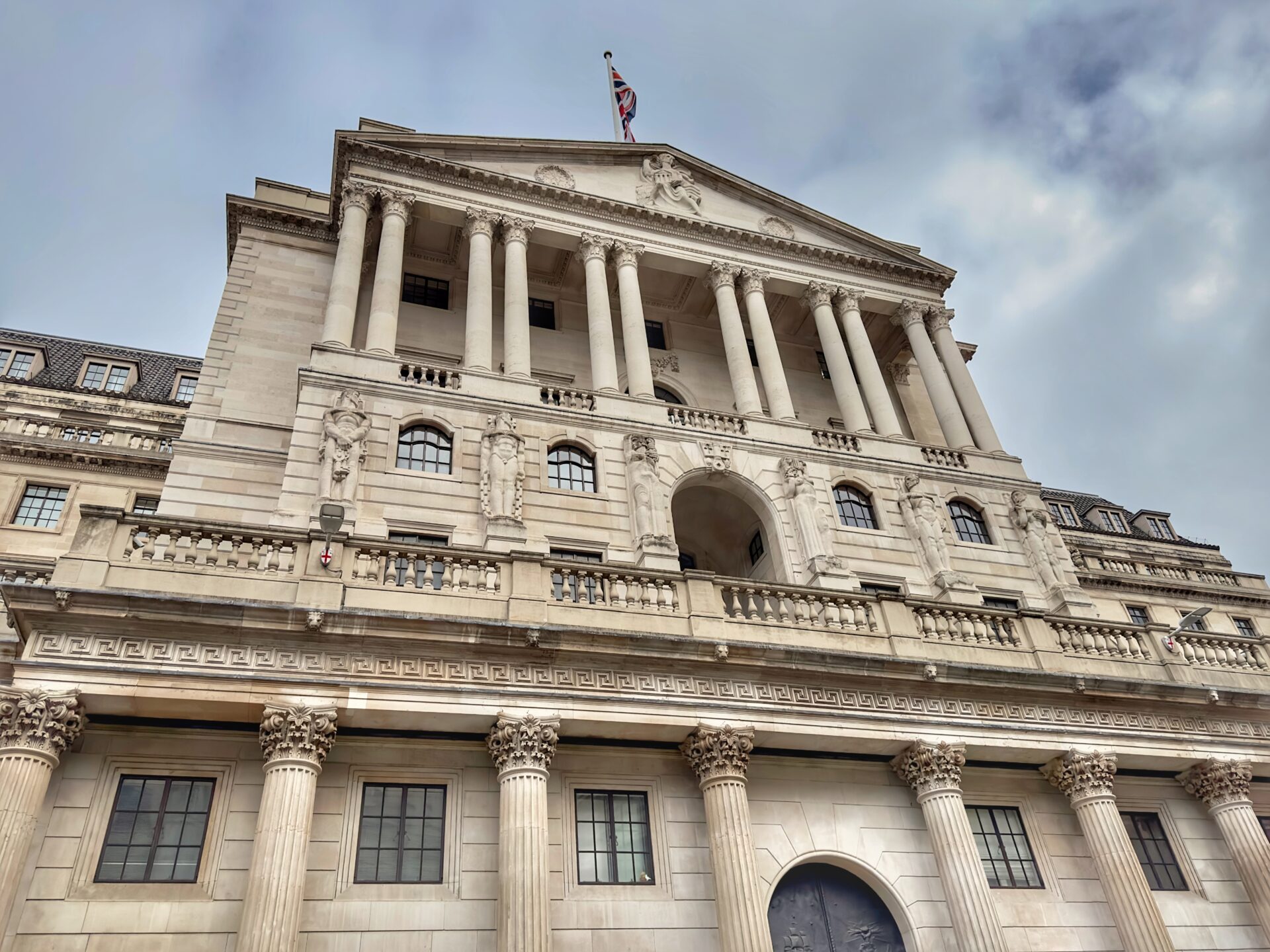
The availability of secured credit to households fell in the three months to the end of August 2026, according to the Bank of England’s Q3 Credit Conditions Survey.
Banks and building societies expect availability to increase slightly during Q4.
The availability of unsecured household credit also dropped in Q3 and is expected to increase slightly in Q4.
Overall credit availability for businesses was unchanged.
Availability fell for small and medium-sized businesses but remained unchanged for large businesses.
Lenders expect the overall figure to remain unchanged in Q4.
Demand for secured lending for house purchases and remortgaging fell in Q3.
Lenders expect house purchase demand to increase slightly in Q4, while demand for remortgaging is expected to increase.
Overall demand for unsecured lending remained unchanged in Q3 and is expected to rise slightly in Q4.
Credit card demand was unchanged and is expected to remain at the same level.
Demand for other unsecured lending increased slightly and is expected to increase again in Q4.
Corporate lending demand from small and medium-sized businesses fell in Q3 but remained unchanged among large businesses.
Reaction:
Nathan Emerson, CEO at Propertymark:
“It is encouraging to see growing confidence around the potential demand for secured lending for house purchases and remortgaging in the months ahead.
“While the year has proved challenging for many consumers from an affordability perspective, improved access to finance could provide an important catalyst for greater confidence across the housing sector as we approach the end of the year and head into 2027.
“Maintaining access to affordable lending will be important in helping the market build momentum and providing greater certainty for consumers.
“With the Autumn Budget just weeks away, attention will focus on whether the UK Government introduces measures that provide greater certainty for buyers and sellers. Support for first-time buyers would be particularly welcome, while measures that encourage investment in housing could help ensure greater economic confidence over the longer term.”
Karim Haji, global and UK head of financial services at KPMG:
“A cooling in mortgage demand suggests affordability pressures and economic uncertainty continue to temper appetite among prospective buyers, despite a more competitive mortgage market.
“The picture on unsecured borrowing is more finely balanced.
“Steady demand and rising unsecured defaults suggest that some households are continuing to lean on credit while simultaneously finding it harder to manage existing debts. That divergence is an important indicator of where financial pressure is most acute.
“A dip in mortgage defaults offers some reassurance that most borrowers are continuing to absorb higher housing costs, but rising unsecured defaults underline the financial strain still facing more vulnerable households.
“Looking ahead, Q4 could bring renewed financial pressure on households, with higher energy bills and inflation coinciding with the seasonal increase in spending in the run-up to Christmas.”
“Higher borrowing costs will also add another headwind for consumers. Lenders need to be thinking now about how these pressures could affect households later in the year.”
Related

Remortgage searches surge 37% as mortgage purchase activity slows
Virgin Money cuts mortgage rates by up to 0.17%

Barclays cuts mortgage rates by up to 0.25% across product range

One in four remortgage borrowers could take a chance on a variable rate, analysis reveals

Remortgage delays could cost borrowers hundreds in extra interest, warns RG Law
Mortgage approvals and borrowing drop as remortgaging rises in September – BoE

Mortgage product shelf life falls to 13 days in October, Moneyfacts finds

Gen H cuts mortgage rates by up to 0.30%

Scottish mortgage payments rise to £1,200 a month as higher rates put pressure on housing market

Skipton Building Society reduces fixed mortgage rates by up to 0.16%

Accord cuts rates across resi and BTL mortgage offering
